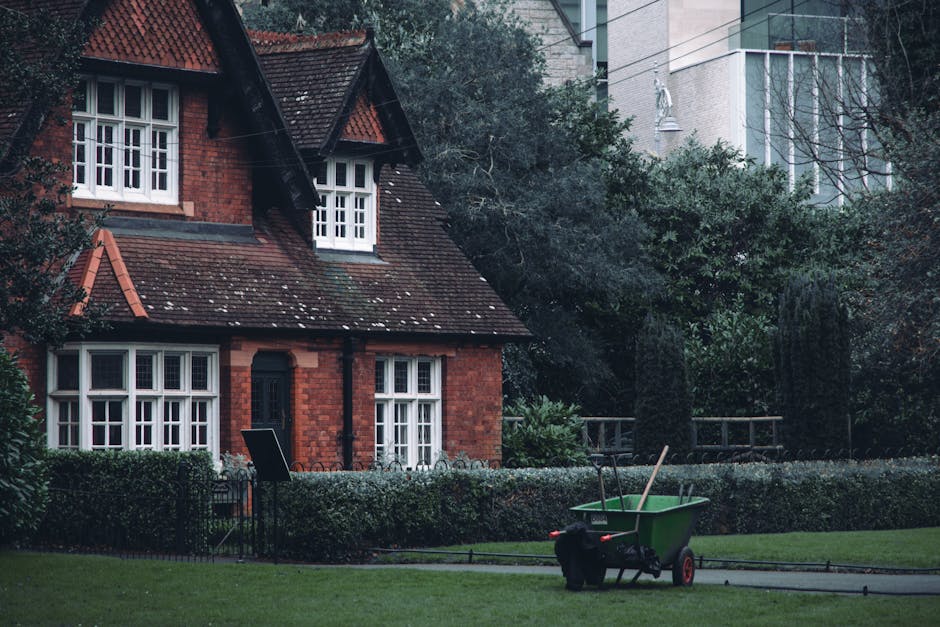
Mountsfield Park garden maintenance by Catford gardeners
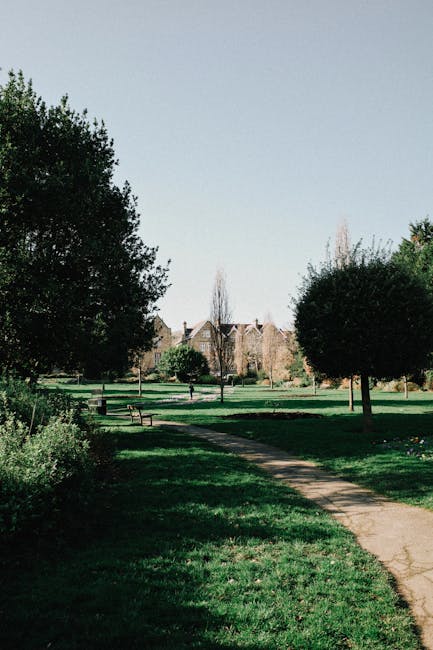
If you live near Mountsfield Park, you already know the difference a well-kept garden makes. It softens the edge between home and street, keeps the front or back space usable, and stops the whole place from looking a bit tired by midweek. Mountsfield Park garden maintenance by Catford gardeners is really about that steady, practical care: the mowing, trimming, clearing, planting, and seasonal attention that keeps a garden looking healthy instead of just surviving.
This guide is for homeowners, landlords, tenants, and anyone who wants their outdoor space to feel neat, safe, and easy to enjoy without spending every Saturday wrestling with overgrowth. You will get a clear breakdown of what the service involves, how it works, what to watch out for, and how to get better results from local gardeners who understand the pace and conditions of gardens around Catford. No fluff, no mystery. Just useful detail.
Quick takeaway: good garden maintenance is not only about appearances. Done properly, it protects plant health, reduces recurring problems, and saves you money in the long run. And yes, it can spare you that slightly grim moment when the lawn has become a small meadow overnight.
- Why it matters
- How it works
- Key benefits
- Who it is for
- Step-by-step guidance
- Expert tips
- Common mistakes
- Tools and resources
- Law, compliance, and best practice
- Options and comparison
- Real-world example
- Practical checklist
- Conclusion
- Frequently asked questions
Why Mountsfield Park garden maintenance by Catford gardeners Matters
Gardens near Mountsfield Park face the same basic pressures as many London gardens: variable shade, compacted soil, hungry growth after rain, and not nearly enough time to keep on top of it all. One week everything looks manageable; the next, the hedge has a mind of its own. That is the reality for many local properties, especially where outdoor space has to do a lot of jobs at once.
Good maintenance matters because it keeps the garden balanced. Lawns stay healthy rather than patchy. Shrubs keep their shape. Borders do not get smothered by weeds. Paths stay safer. Even the air changes a bit, honestly, when a space is tidy and breathable instead of cramped with dead leaves and spent stems.
For Catford gardeners, the value also comes from local judgment. A garden near a busy road, a shaded terrace, or a deeper rear plot will need a different routine. There is no single magic schedule. A competent gardener reads the space, checks what is growing fast, what is struggling, and what needs attention right now versus what can wait a week or two.
And that small difference is where the quality shows. Anyone can cut a lawn. Fewer people can keep a garden healthy month after month without causing hidden damage.
How Mountsfield Park garden maintenance by Catford gardeners Works
Garden maintenance usually starts with a straightforward assessment. The gardener looks at access, lawn condition, hedge height, borders, beds, debris, and any problem areas such as poor drainage, damaged plants, or heavy weed growth. In practical terms, this first look tells them whether the work is light upkeep, a one-off restoration, or a recurring maintenance plan.
From there, the work is broken into sensible tasks. For many gardens, that means mowing, edging, pruning, weeding, leaf collection, deadheading, and general tidy-up work. In more demanding spaces, it may also include border reshaping, shrub reduction, seasonal planting, and clearance of brambles or waste. If the garden has become seriously overgrown, it might be worth combining maintenance with garden clearance before settling into a routine schedule.
Most local gardeners will also advise on what should not be done too aggressively. That sounds obvious, but it matters. Cutting back at the wrong time, scalping lawns, or hacking shrubs too hard can set plants back for months. A good service is measured, not rushed. A bit like making tea, actually. Rush it and the result is never quite right.
Maintenance can be arranged as:
- One-off visits for a reset, seasonal tidy, or pre-event clean-up.
- Regular visits weekly, fortnightly, or monthly depending on growth and use.
- Seasonal work such as spring preparation, summer upkeep, autumn leaf clearance, and winter reduction pruning.
For many customers, the sweet spot is a recurring visit with occasional extra work when the season turns. That keeps the garden under control without turning it into a project that eats every weekend.
Key Benefits and Practical Advantages
There is a reason people search for local garden maintenance rather than just buying a mower and hoping for the best. Professional upkeep delivers a few very practical benefits that are easy to feel, even if you do not think of yourself as a "garden person".
1. A tidier garden, fast
One of the biggest gains is immediate visual improvement. A neat edge, even lawn stripes, clipped hedges, and cleared borders make a huge difference. It does not need to be fancy. It just needs to look intentional.
2. Better plant health
Regular pruning, deadheading, and weed control help plants direct energy into healthy growth rather than survival. Left alone, small issues become stubborn ones. That's usually how it goes.
3. Less long-term cost
Keeping a garden in good shape is usually cheaper than rescuing one that has been neglected for months. Catching a hedge early is easier than trying to tame it after it has swallowed the fence line.
4. Safer outdoor spaces
Overgrown paths, slippery leaves, low branches, and hidden debris can all create avoidable hazards. Maintenance reduces the chance of trips, falls, and awkward surprises for visitors, delivery drivers, or family members using the garden daily.
5. More usable space
There is a real comfort in being able to sit, play, plant, or simply walk through your garden without dodging obstacles. You feel it straight away. The whole place works better.
| Maintenance outcome | What it changes | Typical effect |
|---|---|---|
| Regular mowing and edging | Lawn shape and presentation | Sharper, cleaner appearance |
| Scheduled pruning | Shrub and hedge growth | Better structure and healthier regrowth |
| Weed control | Border and paving condition | Less competition for water and nutrients |
| Seasonal tidy-ups | Leaf, debris, and spent growth | Lower disease risk and easier upkeep |
Who This Is For and When It Makes Sense
This kind of service suits a wide range of people, and not just the ones with large gardens. In fact, smaller gardens often benefit the most because they can look cluttered very quickly if upkeep slips for even a short time.
You may want Mountsfield Park garden maintenance by Catford gardeners if you are:
- a homeowner who wants the garden to stay usable without taking over your week;
- a landlord who needs the property presented well between tenancies;
- a busy family trying to keep up with lawn care, hedges, and borders;
- an older resident who would rather leave the heavier work to someone else;
- a tenant with permission to improve the space but limited time or equipment;
- someone preparing a garden for sale, a letting photo set, or an outdoor gathering.
It also makes sense if you have recently moved in and the garden is partly under control but not yet where you want it. That "almost there" stage is often the hardest one, because you can see the potential but not the finish line. A few well-chosen visits can make all the difference.
Truth be told, if the garden is used often, maintaining it is easier than repeatedly rescuing it. The earlier you begin a routine, the simpler the whole thing becomes.
Step-by-Step Guidance
If you want to understand how to approach garden maintenance sensibly, it helps to think in stages rather than as one big job. Here is the practical version.
- Walk the garden first. Notice what is growing quickly, what is dead or damaged, and where the real problem areas are. Look at the lawn, hedges, borders, paths, and any corners that have been ignored.
- Decide what type of maintenance you need. Is it a one-off tidy-up, seasonal work, or ongoing care? If the space is badly overgrown, separate the clearance from the regular maintenance plan.
- Prioritise safety and access. Remove obvious debris, check for broken branches, and make sure the gardener can reach the main areas easily. If there are tree issues, consider whether tree lopping and removal is needed before the rest of the work begins.
- Focus on the highest-impact tasks first. In most gardens, that means mowing, edging, hedge trimming, and weed removal. These steps create a fast visual reset.
- Then move to detailed work. Deadhead flowers, prune lightly, shape shrubs, sweep paths, and check for plant health issues. This is where a tidy garden starts to feel properly cared for, not just chopped back.
- Set the next visit before you forget. Regular maintenance is easiest when it is planned in advance. A simple repeating schedule often works better than waiting until everything looks wild again.
There is a small but useful mindset shift here: maintenance is not a single event. It is a rhythm. Once you accept that, the whole thing becomes much easier to manage.
Expert Tips for Better Results
The best garden maintenance work tends to be the work that looks effortless afterwards. That does not happen by accident. A few simple habits make a big difference.
Cut less, but cut more often
Regular light maintenance is usually better than occasional heavy cutting. Lawns recover more cleanly, hedges keep shape, and plants are less shocked. It is the boring answer, but it works.
Do not over-prune just because it looks untidy
A lot of garden problems begin with overenthusiastic pruning. If a shrub is awkward, reshape it gradually unless it genuinely needs hard reduction. You want healthy structure, not a scared-looking stump with ambitions.
Match the schedule to the season
Spring growth can race ahead, summer dry spells can stress lawns, and autumn can bury everything in leaves. A smart gardener adapts the plan. If you keep the same routine in every month, you will probably miss something.
Work with the garden's light and soil conditions
Some parts of a garden always stay damp, some are scorching by lunchtime, and some barely get sun at all. Use that knowledge when choosing planting, cutting frequency, and watering habits. Local know-how matters here more than glossy advice from somewhere else.
Keep the edges crisp
It sounds minor, but edging is one of the quickest ways to make a garden look professionally maintained. A neat edge around a lawn or border can change the whole impression in ten minutes. Small detail, big payoff.
Expert summary: the most effective maintenance combines routine, restraint, and local judgement. Not drama. Not heroics. Just consistent, thoughtful work.
Common Mistakes to Avoid
Most maintenance problems are caused by a handful of very ordinary mistakes. Nothing exotic. Usually just delay, overwork, or the wrong tools.
- Leaving everything until it becomes urgent. Once a garden gets too far behind, the work becomes slower and more expensive.
- Cutting too much at once. This is especially risky with hedges, shrubs, and established plants.
- Ignoring the lawn edges. A rough edge makes even a decent lawn look unfinished.
- Weeding only the visible bits. Weed seeds and roots hide in corners, joints, and border edges. Annoying, yes. But true.
- Using blunt or dirty tools. Poor tools leave ragged cuts and can spread disease between plants.
- Forgetting waste disposal. A tidy garden can become messy again very quickly if cuttings and debris are left in piles.
- Choosing the cheapest option without checking scope. A low price is not much use if it only covers part of the work or skips the detail that matters.
One subtle mistake is expecting every garden to respond the same way. A shady, compact London plot is not the same as a bright, open space. That sounds obvious, but people still get caught out by it. Gardening has a way of humbling us like that.
Tools, Resources and Recommendations
Good maintenance relies on the right tools and a sensible process. Professional gardeners will usually bring their own equipment, but it helps to understand what is typically used and why.
- Lawn mower: for regular grass cutting and height control.
- Strimmer or edging tool: for areas the mower cannot reach cleanly.
- Secateurs and loppers: for pruning and shaping smaller woody growth.
- Hedge trimmer: for consistent hedge lines and controlled reduction.
- Rakes and leaf collectors: for seasonal debris and surface cleanup.
- Gloves, eye protection, and sturdy footwear: basic but important for safe work.
- Waste sacks or a collection plan: because green waste should not just linger around the place.
If you are comparing services, look for clear communication, tidy working methods, and a practical plan for waste removal. It is also sensible to ask how they approach recycling and whether they can separate reusable green waste where appropriate. A responsible approach to material handling is often a sign that the rest of the work will be handled properly too. If that matters to you, the recycling and sustainability approach can be a useful thing to ask about.
For homeowners who want to understand the wider service picture, it can also help to review the services overview so you can see how maintenance fits alongside clearance, landscaping, and related work. And if you are trying to plan a budget, the pricing and quotes page is a sensible next stop.
Law, Compliance, Standards, or Best Practice
For most domestic garden maintenance jobs, the main concern is not legal complexity but safe and responsible practice. Still, there are a few things worth keeping in mind.
First, gardeners should work safely, especially when using powered tools, handling heavy waste, or working at height on hedges and trees. Clear site awareness matters. So does insurance. If a contractor is working on your property, it is reasonable to expect sensible precautions and adequate cover. You do not need a lecture about it, just reassurance that the job is being handled properly. The pages on insurance and safety and the health and safety policy give a clearer picture of how that should be managed.
Second, waste should be dealt with responsibly. Green waste, soil, and prunings should not be abandoned in a way that creates nuisance or risk. Good practice usually means keeping the site clean, removing cut material, and using sensible recycling or disposal methods where appropriate.
Third, if the work involves substantial tree reduction or removal, it is worth checking whether the job goes beyond simple maintenance. Some larger trees or protected areas can involve extra care or permissions. A reputable gardener will not brush past that. They will flag it early.
Finally, if you are arranging work in a shared space, rental property, or managed property, communicate clearly with neighbours or occupants. It saves confusion, and a little courtesy goes a long way in London. The sound of a hedge trimmer at 8 a.m. is one thing. No one needs extra drama.
For company information and operating standards, the pages on about us and terms and conditions can also help set expectations around service, responsibility, and process.
Options, Methods, or Comparison Table
Not every garden needs the same level of care. Choosing the right method depends on time, budget, and how quickly the space changes through the season.
| Option | Best for | Pros | Trade-off |
|---|---|---|---|
| One-off tidy-up | Neglected gardens or pre-event resets | Fast improvement, flexible timing | Needs follow-up to stay tidy |
| Regular maintenance | Most homes and rental properties | Predictable, easier long-term control | Requires ongoing scheduling |
| Seasonal visits | Gardens that only need a few key interventions | Cost-efficient, targeted work | Less control between visits |
| Maintenance plus landscaping | Spaces needing structure changes or redesign | Better long-term layout and usability | More planning and usually more time |
If the garden is functional but uninspiring, light maintenance may be enough. If the space has odd levels, poor planting, or awkward use of space, some landscape gardening or wider landscaping work may be the smarter route. You do not have to do everything at once. In fact, many of the best gardens grow better through staged improvements than through one big expensive overhaul.
Case Study or Real-World Example
Here is a realistic local-style example. A terrace property not far from Mountsfield Park had a back garden that looked fine in early spring, then quickly slipped behind. The lawn got long, the border edges disappeared, and a few shrubs started leaning into the path. Nothing catastrophic, just that familiar slow slide into "we really should do something about this".
The first visit focused on the most visible issues: mowing, edging, weed removal, and pruning the worst of the overgrowth. A small amount of lawn mowing and hedge trimming restored shape quickly. The second visit dealt with border tidying, dead plant material, and a better rhythm for ongoing upkeep. The owner was not after a show garden, just a place that felt calm and workable again.
The important lesson? The garden did not need to be "perfect". It needed to be manageable. That is what good maintenance really delivers: a space that stops fighting you and starts supporting daily life again.
Practical Checklist
Use this checklist before or during a maintenance visit. It helps keep things focused and stops the work from drifting into guesswork.
- Walk the whole garden before starting.
- Identify urgent issues: overgrowth, deadwood, weeds, and blocked access.
- Check whether the work is a tidy-up, a maintenance visit, or a clearance job.
- Confirm what should be cut back and what should be left alone.
- Make sure paths, steps, and working areas are safe.
- Decide on waste removal and where cuttings will go.
- Review the lawn, hedges, borders, and hard edges separately.
- Plan the next visit before the current one ends.
- Ask about seasonal changes to the maintenance routine.
- Keep a simple note of what was done, especially for recurring visits.
Useful habit: take a quick photo before and after. It sounds a bit obvious, but it helps you track what actually changed, and it is surprisingly motivating when a garden has looked rough for a while.
Conclusion
Mountsfield Park garden maintenance by Catford gardeners is not just about trimming things down and making the place look tidy for a day. It is about creating a garden that can breathe, function, and stay in good shape with less stress for you. Whether you need a one-off refresh or a regular routine, the best results come from thoughtful work, local knowledge, and a realistic plan that matches the space.
If you have been putting it off, that is normal. Gardens have a habit of getting under your skin that way. One week you can ignore them; the next, they are very loudly asking for attention. The good news is that a proper maintenance plan can reset the whole space faster than you might expect.
Get a free quote today and see how much you can save.
And if you only do one thing after reading this, let it be this: start with the next small job, not the impossible one. That is usually how a garden turns the corner.
Frequently Asked Questions
What does Mountsfield Park garden maintenance by Catford gardeners usually include?
It usually includes lawn care, hedge trimming, pruning, weeding, edging, leaf clearance, border tidy-ups, and general seasonal upkeep. The exact scope depends on the garden's condition and how often it is maintained.
Is this a one-off service or a regular service?
It can be either. Some people book a one-off visit to restore order, while others prefer weekly, fortnightly, or monthly maintenance. Regular visits are usually easier to manage if the garden grows quickly.
How do I know whether I need garden clearance or garden maintenance?
If the space is heavily overgrown, blocked, or full of accumulated waste, clearance is often the first step. If the garden is already broadly manageable and just needs ongoing care, maintenance is the better fit. Sometimes both are needed in sequence.
Can maintenance help if my garden has become overgrown?
Yes, but very overgrown gardens often need a reset before they can be maintained properly. A first visit may involve cutting back, clearing debris, and opening up access. After that, routine upkeep becomes much easier.
How often should a garden near Mountsfield Park be maintained?
It depends on the size of the garden, the planting, and the season. Many domestic gardens benefit from fortnightly or monthly visits, with extra work in spring and autumn. Fast-growing gardens may need more frequent attention.
Will regular maintenance damage my plants?
Not if it is done properly. In fact, sensible pruning, deadheading, and weed control usually support healthier growth. The risk comes from cutting too hard, using blunt tools, or pruning at the wrong time.
Do gardeners take away the waste?
Often, yes, but you should always confirm this in advance. Waste removal is an important part of the job because cuttings, leaves, and debris can quickly make a tidy garden look untidy again.
What should I ask before booking a gardener?
Ask what tasks are included, how waste is handled, whether tools are provided, how often maintenance is recommended, and whether the work is insured. A clear conversation at the start saves bother later.
Is hedge trimming included in garden maintenance?
It usually is, provided the hedges are within the agreed scope and height. If the hedge is large, awkward, or very dense, it may need more specific attention or separate scheduling.
What is the best time of year to start maintenance?
Any time is better than waiting, but spring and early summer are especially useful because growth starts to pick up. Autumn is also a good time to clear leaves and reduce clutter before winter sets in.
Can I combine maintenance with landscaping work?
Yes. Many people start with maintenance and then add landscaping improvements later, such as better borders, reshaped beds, or new planting. That staged approach is often easier on the budget and less disruptive.
How do I keep costs sensible without cutting corners?
Be clear about priorities, keep a regular schedule, and avoid letting the garden slip too far between visits. It is generally more cost-effective to maintain a garden steadily than to rescue it from a long period of neglect.
If you want a more organised, calmer outdoor space, the next step is simple: compare the work you need now with the routine you want to keep. That is where the real progress starts.